Street-Loading Rules in HA3: Fines and Practical Fixes
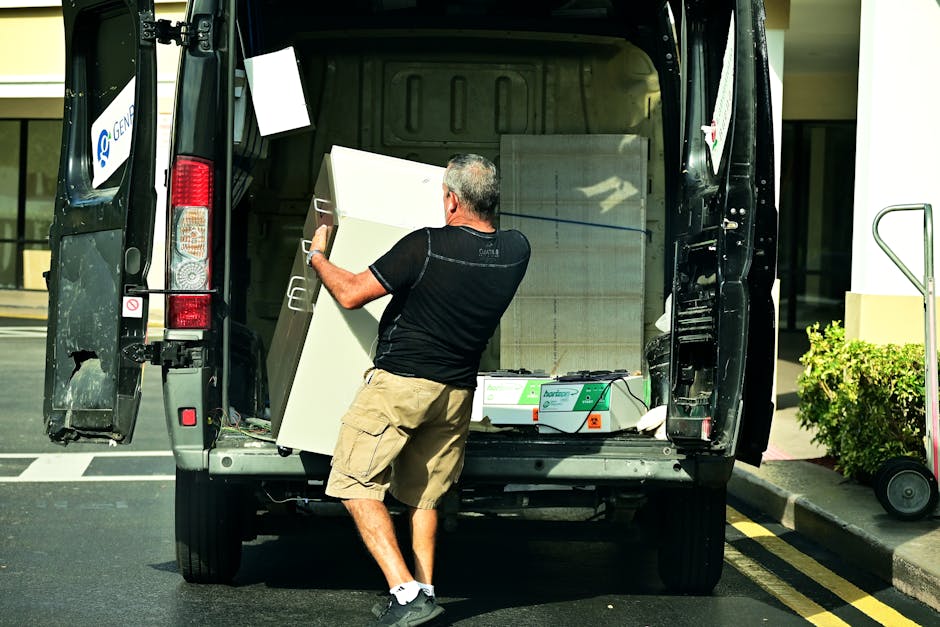
If you are moving a sofa, clearing a flat, or unloading office equipment in HA3, street-loading rules can catch you out fast. One minute you are trying to get boxes from the van to the front door; the next, a penalty notice has landed because the vehicle was stopped where it should not have been. That is the reality behind Street-Loading Rules in HA3: Fines and Practical Fixes. It sounds dry on paper. In real life, it is about timing, common sense, and avoiding a costly nuisance on an already busy day.
This guide breaks the topic down in plain English. You will learn why these rules matter, how loading on a public street usually works, what tends to trigger fines, and what practical fixes genuinely help. We will also look at safer planning options for home moves, commercial moves, and awkward furniture pick-ups, so you can keep the process moving without the usual stress. To be fair, a little preparation goes a long way here.
Why Street-Loading Rules in HA3: Fines and Practical Fixes Matters
HA3 covers parts of Harrow where roads can feel tight, parking can be competitive, and loading space often disappears at exactly the wrong moment. That combination makes street loading a bit of a juggling act. You may be dealing with a narrow residential road, a busier high street, or a location where someone else has already parked in the only practical unloading spot. The rules matter because a quick stop is not always treated as a harmless stop.
Many drivers assume that loading or unloading automatically gives them a free pass. Usually, it does not. The context matters: whether the vehicle is attended, whether the loading is continuous, whether the stop is reasonable, and whether any local restrictions apply. If any of those are off, fines or enforcement action can follow. And once you are in the middle of a move, dealing with a ticket feels like salt in the wound.
There is also a safety side to this. Poor loading choices can block pedestrians, create blind spots, or force movers to carry awkward items across live traffic. A rushed plan can make a simple sofa delivery surprisingly tense. We have all seen the scene: one person holding a wardrobe door, another looking over their shoulder for cars, and someone else muttering that it will only take two minutes. It rarely stays two minutes.
For local moves, the practical fix is not just about avoiding punishment. It is about reducing disruption, keeping people safe, and making the day calmer. If you need help moving bulky items, a service such as furniture pick-up can be a far cleaner option than trying to improvise with a parking bay that was never meant for heavy lifting.
Expert summary: The safest approach in HA3 is to plan loading as if enforcement will notice everything: where the vehicle stops, how long it stays, and whether the unload really needs street access at all.
How Street-Loading Rules in HA3: Fines and Practical Fixes Works
Street loading rules are usually built around a simple principle: temporary stopping for loading or unloading may be allowed in some places, but not everywhere, and not under every condition. In practice, the details matter more than the label. A driver can be parked in a loading-friendly way and still be in breach if the manoeuvre is too slow, the vehicle is left unattended, or the street has restrictions that override the loading allowance.
In HA3, you are likely dealing with a mix of residents' bays, pay-and-display bays, yellow line restrictions, and streets where kerb space is simply at a premium. That means the plan has to match the road, not the other way round. The question is not only "Can I stop here?" but also "Can I stop here long enough to move what I need, without causing a problem?"
That is where fines usually come in. Enforcement officers tend to look at what is happening on the ground: is the vehicle genuinely loading, are goods being moved continuously, is the stop longer than necessary, and is the vehicle creating an obstruction? If the answer slips into the wrong territory, the vehicle may be treated as improperly parked. Slightly annoying, yes. But avoidable with the right setup.
If the job is a larger home move, pairing street-loading with the right transport often makes life easier. A well-planned man and van booking is often more flexible than trying to squeeze a full household move into an unprepared street stop. If you are shifting a bigger load, a moving truck or removal truck hire arrangement may reduce the number of unload cycles and the amount of time spent on the kerb.
One thing people forget: loading is not just a parking issue. It is a logistics issue. If you need to ferry items into storage, or stage them before a final move, planning around street access can save a lot of backtracking. That is why some customers combine local transport with home moves support or even use packing and unpacking services so the actual loading window is shorter and tidier.
Key Benefits and Practical Advantages
Doing street loading properly is not glamorous, but it pays off. The benefits are more than just "no fine", although that alone is decent motivation. In real terms, good loading practice saves time, reduces stress, and helps you avoid that awful mid-move scramble when a neighbour wants to leave, a delivery van arrives, or the weather turns nasty. Classic British timing, really.
- Lower risk of penalties: careful stopping habits, shorter loading windows, and better vehicle positioning all reduce the chance of enforcement action.
- Less physical strain: when the vehicle is placed well, movers take fewer awkward steps and lift less far.
- Smoother neighbour relations: a tidy, well-managed move is less likely to block driveways or create complaints.
- Better time control: smaller trips, staged items, and proper packing keep the whole job moving.
- Safer handling: fewer rushed carries and less roadside clutter mean fewer bumps, scrapes, and near misses.
There is also a commercial benefit. If you are moving equipment, stock, or office items, time is money. A delayed unloading slot can affect staff, customers, and the rest of the schedule. For business relocations, it can make sense to look at commercial moves or office relocation services so the loading plan is handled with the street environment in mind, not guessed at on the day.
And yes, sometimes the best benefit is just peace of mind. You step out of the van knowing the job has a clear method. No hovering. No "we'll wing it." Fewer surprises. That is worth something.
Who This Is For and When It Makes Sense
Street-loading rules affect more people than you might think. Home movers run into them, but so do furniture collectors, landlords clearing properties, students shifting into shared housing, and businesses dealing with deliveries or office relocation. If the item is heavy, bulky, awkward, or time-sensitive, you are in the risk zone.
This is especially relevant if:
- you are moving from a terrace, flat, or house with limited off-street access;
- the street is narrow or regularly congested;
- you need to load during peak traffic or school-run hours;
- the items are large enough to require a short but repeated loading process;
- you are coordinating multiple people and want to avoid everyone standing around while one person hunts for a legal stopping place.
It also makes sense if you are comparing your options. Sometimes a small local move is fine with a man with van arrangement. Other times, the layout of the property, the amount of furniture, or the road conditions mean you need something more structured. The point is not to overcomplicate it. The point is to match the method to the street.
In our experience, people often only start thinking about loading rules after a warning or a fine. That is understandable, but a bit late. If you already know parking will be tight, it is smarter to plan around it before the van arrives and everyone starts getting grumpy.
Step-by-Step Guidance
Here is the practical version. Not the theory. The actual move-day version.
- Check the street first. Look at the road, the kerbs, the signs, and the type of bays or restrictions in place. Do this before the vehicle arrives if you can.
- Decide what needs loading curbside. Not every item should be carried out to street level at once. Group things logically so the unloading is continuous and quick.
- Prepare the items in advance. Pack, label, dismantle, and wrap where needed. If the job has lots of smaller parts, packing and unpacking services can reduce the time you spend parked outside.
- Choose the right vehicle. If a small van means too many trips, you may end up parked longer overall. Sometimes a slightly bigger vehicle is the simpler solution.
- Keep the loading active. Once the vehicle stops, loading should happen without unnecessary gaps. Little pauses happen, of course, but long unexplained delays are where problems begin.
- Use a spotter when needed. Someone watching traffic, doors, and pedestrians can make a huge difference on a narrow HA3 street.
- Finish and move on. If loading is complete, clear the space promptly. Do not hang around with the engine off just because the kettle is not ready yet.
For a home move, a structured service like house removalists can help because the loading order, manpower, and vehicle choice are coordinated together. That reduces the chance of a long street stop that drifts from "quick load" into "what are we actually waiting for?"
If you are moving a particularly awkward item, such as a bulky wardrobe or a heavy sofa, consider whether the item should be collected separately through a dedicated furniture pick-up. That can keep the main move cleaner and reduce the time the vehicle needs to sit at the kerb.
Expert Tips for Better Results
A few small habits make a big difference. Some are obvious once you hear them; others are the sort of thing people only learn after one frustrating move. Truth be told, moving is a bit like cooking pasta. You can do it badly and still end up technically fed, but why make life hard?
- Load by exit order. Put the items you need last inside the van at the front, so you are not digging through everything on the street.
- Pre-stage boxes by room. It speeds unloading and stops movers from making repeat trips with the same item.
- Protect doorways and floors. If the route is muddy or cramped, a little protection saves time and repairs.
- Avoid peak pressure windows where possible. School-run times and busy commuter periods make street loading harder than it needs to be.
- Keep a clear path. Bags, bins, and loose cables are simple trip hazards. Funny how the tiny things cause the biggest sighs.
- Think about the return journey too. If the van needs to come back for a second run, make sure the timing still works.
If you want one genuinely useful rule: shorten the time between first lift and final departure. That single habit cuts stress, reduces exposure to enforcement, and makes the whole operation feel more controlled. A move does not need to be chaotic just because the street is.
Common Mistakes to Avoid
Most fines and headaches come from predictable mistakes. The good news is that they are mostly avoidable once you know what to look out for.
- Assuming loading is always allowed. It often is not. Street signs and restrictions still matter.
- Leaving the vehicle unattended for too long. A short stop can become a problem if no one is actively loading.
- Underestimating the amount of space needed. A van parked badly can block traffic or force movers to carry items farther than planned.
- Starting before the plan is ready. If boxes are still being taped while the van waits, the stop drags on.
- Ignoring neighbours and access points. Driveways, shared entrances, and pedestrian routes need to remain usable where possible.
- Trying to move too much in one go. Overloading the process can backfire. A smaller, faster load is often better than a giant, messy one.
The other big mistake is thinking the fine is the only cost. It is not. There is the stress, the delay, the awkward apology to a neighbour, and the extra time on the street while everyone checks what happened. That stuff adds up.
Tools, Resources and Recommendations
You do not need a truck full of gadgets to handle street loading well. But a few tools and simple aids help a lot. A dolly, blankets, straps, and proper packing materials are the basics. So is a plan for where the van will stop and who will carry what.
For bigger moves, it can be worth using a more complete transport option rather than improvising with repeated short stops. A removal truck hire setup is often more efficient where the load is substantial or the property access is awkward. If the move is sensitive to timing, that extra capacity can be the difference between a smooth handover and a stressful crawl through the street.
For practical planning, keep these recommendations in mind:
- measure large furniture before move day;
- pack smaller boxes tightly so they do not split when carried;
- use labels that show room destination and fragility;
- clear hallway obstacles in advance;
- set aside parking or access information for the driver;
- have a backup plan if the nearest stopping place is occupied.
If you are unsure which service fits your move, reviewing the general company information on about us can help you understand the broader approach, while contact us is the obvious next step when you need to ask about access, timing, or the best way to handle a tricky street.
Law, Compliance, Standards, or Best Practice
Because street loading touches parking, road use, and sometimes obstruction issues, it is wise to treat it as a compliance matter, not just a convenience matter. The exact legal position can vary depending on the street, local restrictions, signage, the nature of the stop, and whether the vehicle is being used for genuine loading or unloading. In other words, the wording on the sign is not decoration. It matters.
Best practice in the UK context is simple enough: follow the restrictions shown on street signs, keep loading continuous where required, avoid unnecessary obstruction, and do not assume a short stop is automatically exempt. If an area is controlled, assume you need to prove the loading activity made sense. That may sound stern, but it is safer than learning the hard way.
For movers and drivers, this also means keeping records of the move plan, arrival time, and the practical reason for stopping if there is any dispute later. You do not need a courtroom script. Just enough clarity to show the stop was part of a real moving operation, not a random park-up with boxes nearby.
When in doubt, plan conservatively. A slightly longer walk from the vehicle is still better than a fine, and a smoother route is better than squeezing past a half-open boot while traffic stacks up behind you.
Options, Methods, or Comparison Table
There is no single best method for every HA3 loading situation. The right choice depends on the size of the move, the street layout, and how much time you have. Here is a practical comparison.
| Method | Best for | Strengths | Limitations |
|---|---|---|---|
| Quick curbside loading | Small, well-prepared loads | Fast, simple, low equipment needs | Works poorly if the street is busy or parking is tight |
| Man and van | Compact home moves and furniture runs | Flexible and often easier to position | May require more trips for larger loads |
| Removal truck hire | Larger households or bulky items | Reduces repeat loading cycles and can save time | Needs enough access space and good planning |
| Full removal support | Complex moves or multi-room properties | Better coordination, fewer mistakes, less stress | Usually more involved than a simple one-trip move |
As a rule of thumb, if your loading issue is mostly about time pressure, more capacity can help. If your issue is mainly access, better planning matters more than vehicle size. And if the street itself is the problem, not the furniture, then the fix is usually about reducing the number of stops and tightening the move sequence.
Case Study or Real-World Example
Picture a flat move in HA3 on a rainy Friday morning. The resident has a sofa, a bed frame, six medium boxes, and a couple of fragile lamps. At first, the plan is to use the nearest curb space because it looks convenient. Then a car appears, someone else bags the space, and the mover starts circling. Not ideal. The driver eventually finds a spot a little farther away, but the load now takes longer and the footpath is cluttered with items waiting to be carried.
What changed the outcome was not luck. It was a better sequence. The second attempt used a smaller, more organised setup: boxes were grouped by room, the sofa was prepared first, and a helper stood ready to move items continuously from the door to the van. The load still took effort, obviously, but the street stop was shorter and cleaner. No one was left standing around wondering what to do next.
That is the practical lesson. Street-loading problems often look like parking problems, but they are really planning problems. When the plan is tight, the same road feels easier. When the plan is loose, even a straightforward move can start to wobble.
Practical Checklist
Use this before the vehicle arrives.
- Check the street signs and any parking restrictions.
- Confirm where the vehicle will stop.
- Group items by room or unloading order.
- Disassemble bulky furniture if possible.
- Pack and label boxes before move day.
- Keep a clear route from property to vehicle.
- Assign one person to watch traffic if needed.
- Keep loading continuous and purposeful.
- Move the vehicle once loading is complete.
- Have a backup plan if the first stopping point is taken.
If the move involves a large number of items, it may help to book services that reduce the amount of time spent at the kerb. That could mean home moves support for the whole process, or more focused help like man and van for a smaller, quicker move.
Conclusion
Street-loading rules in HA3 are not something to leave to chance. The street may look harmless, but the combination of parking restrictions, time pressure, and bulky items can turn a simple move into a frustrating one very quickly. The real fix is not trying to outsmart the road. It is planning a better route through it.
When you understand the basic risks, prepare the load properly, and choose the right transport method, the whole day becomes easier. Less waiting. Less uncertainty. Fewer sharp edges on an already busy job. That is the aim, really: to get the move done without drama, without stress, and without a ticket taped to the windscreen. Nice when it happens.
Get a free quote today and see how much you can save.
And if you are standing on a pavement in HA3 wondering whether the van is in the right place, take a breath. A careful plan usually wins in the end, and a calm move is still a good move.
Frequently Asked Questions
Are street-loading rules in HA3 the same as normal parking rules?
Not quite. Loading and unloading can sometimes be treated differently from regular parking, but that does not mean you can stop anywhere. The street, the signs, the timing, and whether the loading is genuine all matter.
Can I stop briefly outside my property to unload furniture?
Possibly, but only if the location and restrictions allow it. A short stop is not automatically safe just because you are moving house. The best approach is to check the actual street conditions before you start.
What usually causes fines during street loading?
The biggest triggers are stopping in a restricted place, taking too long, leaving the vehicle unattended, or creating an obstruction. Sometimes it is a combination of small issues rather than one huge mistake.
Do I need a bigger vehicle to avoid fines?
Not always, but a larger or better-planned vehicle can reduce the number of loading cycles. Fewer trips often means less time parked at the kerb, which can lower the risk of trouble.
Is a man and van service suitable for HA3 streets?
Often yes, especially for smaller moves or single-item collections. It is flexible and can work well where access is tight, though it still needs proper planning.
What if someone else parks in the only sensible loading spot?
That happens more often than people expect. Have a backup plan and be ready to adjust the stopping point. In busy areas, flexibility is part of the job.
How can I make loading faster on move day?
Pack early, label boxes clearly, dismantle large items if possible, and keep the route from property to vehicle clear. The less time spent deciding what to carry next, the better.
Are office moves affected by the same loading issues?
Yes, and sometimes more so because there is pressure to keep business downtime low. Commercial and office relocations often benefit from a more structured loading plan and a suitable vehicle.
What should I do if I am unsure whether parking is allowed?
Do not guess. Check the street signs and treat the area cautiously. If the move is important or large, it is safer to plan for a more controlled loading setup than to rely on a lucky stop.
Can packing help reduce the risk of fines?
Indirectly, yes. Better packing means faster unloading and fewer delays on the street. It sounds small, but when the clock is ticking, neat packing can save you a lot of hassle.
Should I book extra help for awkward furniture?
If the item is heavy, bulky, or hard to carry, yes, that is usually sensible. A separate furniture collection or a more suitable moving service can shorten the loading window and reduce strain.
How do I choose between home moves and removal truck hire?
If the move is small and simple, a lighter option may be enough. If you have a full house or repeated lifting, removal truck hire can be the calmer choice. The right answer depends on access, volume, and timing.