Rayners Lane removals access tips for narrow roads
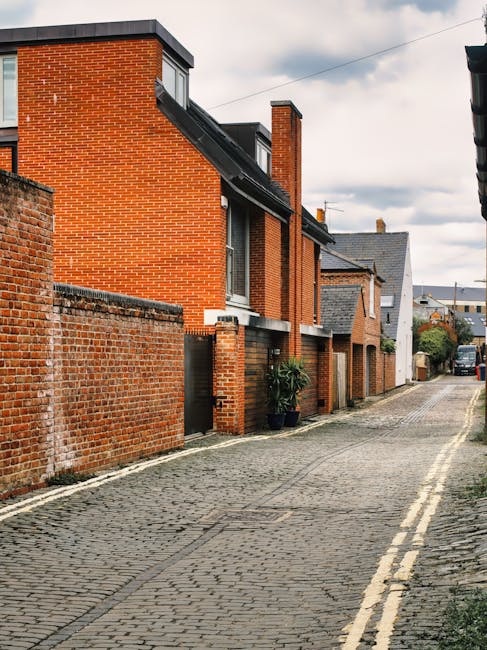
If you are planning a move in Rayners Lane, the house itself is often only half the story. The real headache can be the road outside it: parked cars, tight bends, low branches, awkward kerbs, and not quite enough room to swing a van in without a bit of patience. That is exactly why Rayners Lane removals access tips for narrow roads matter. A good plan can save time, reduce stress, and stop a straightforward move turning into a long, slow shuffle with boxes on the pavement and everyone looking at the sky like it owes them money.
This guide walks through the practical side of getting a removal done well on narrow streets. You will find what to check before moving day, how crews usually work in tight access, which mistakes to avoid, and when a smaller vehicle or a different loading method makes more sense. If you are moving home or arranging a more complex relocation, you may also want to look at home moving support, house removalists, or a flexible man and van option if access is especially awkward.
Why Rayners Lane removals access tips for narrow roads Matters
Narrow-road access changes the whole shape of a removal. On paper, the job may look simple: load the van, drive to the property, unload, done. In real life, the street may only allow one vehicle through at a time, parked cars may narrow the gap even more, and there may be nowhere to stop without blocking a junction, a driveway, or a resident's exit.
That matters for three reasons. First, access affects timing. A move that should take two hours can easily stretch if the crew has to park far away and shuttle items by hand. Second, it affects safety. Carrying furniture around parked cars, uneven kerbs, and passing traffic increases the chance of knocks, scrapes, and strained backs. Third, it affects cost and confidence. Nobody likes the feeling that the van is the wrong size or the plan is missing something obvious.
Rayners Lane has plenty of residential streets where access planning is just as important as packing. You may be dealing with terraced homes, side roads with cars parked tightly along both sides, or entrances that look fine for a hatchback but not for a long wheelbase van. Truth be told, this is where good movers earn their keep. They do not just turn up and hope for the best.
Expert summary: the best removals access plan for narrow roads is usually a mix of early checking, honest vehicle sizing, sensible parking arrangements, and a backup plan if the van cannot stop right outside. Simple, but not always easy.
For businesses, offices, and multi-item moves, access planning can matter even more. If you are moving equipment or stock, a practical commercial move service or office relocation service may be better suited to a complicated street layout than a one-size-fits-all approach.
How Rayners Lane removals access tips for narrow roads Works
The idea behind narrow-road access planning is straightforward: reduce surprises. Instead of assuming a van can park directly outside, you check the route, the stop point, the turning space, and the walking distance from van to property. Then you match the vehicle and the labour to those conditions.
A typical process looks like this:
- Assess the street. Look at width, parking pressure, corners, slopes, and any one-way restrictions.
- Measure the practical loading zone. This is not just about how wide the road is. It is about where the van can actually stop without causing trouble.
- Choose the right vehicle. A smaller van may be far easier than a larger truck if the road is tight.
- Plan the carry distance. If the van must park further away, factor in extra lifting time and manpower.
- Protect the property and items. Use covers, blankets, straps, and door protection so the route from door to van stays safe.
- Build in a fallback. If access is blocked, know where the vehicle can wait and how the crew will manage the handover.
In a practical sense, this can mean using a smaller vehicle first and then a larger one later, or arranging a simpler vehicle such as a man with van arrangement when the street does not suit a big lorry. Sometimes the right answer is not more muscle, but more flexibility.
One small but useful detail: if you are moving on a weekday morning, the road may feel very different from a quiet Sunday. School traffic, delivery vans, and commuters can all change how easily a vehicle enters or waits. The same street, completely different moving day.
Key Benefits and Practical Advantages
Planning access properly is not just about avoiding drama. It has real practical benefits that show up immediately on moving day.
- Less wasted time: the crew spends less time circling the block or carrying items long distances.
- Lower risk of damage: narrower routes are easier to manage when everyone knows the plan.
- Less stress for neighbours: a tidy, brief loading arrangement is usually better received than a van blocking the street with no explanation.
- Better vehicle choice: you can match the van size to the road rather than forcing the road to suit the vehicle.
- More accurate pricing: the more realistic the access information, the less likely you are to face unexpected delays.
There is also a quieter benefit: confidence. When you know the plan fits the street, everything feels calmer. You can focus on the move itself instead of worrying whether the van will scrape a mirror or get stuck in a cul-de-sac. And let's face it, nobody wants that kind of soundtrack on moving day.
If you are moving furniture only, or collecting a few large items, a dedicated furniture pick-up service may be a smarter fit for narrow access than arranging a full-size removal vehicle. Sometimes smaller really is better.
Who This Is For and When It Makes Sense
This guidance is useful for anyone moving in or around Rayners Lane where the street is tight, parking is limited, or access is slightly awkward. That includes:
- homeowners moving out of terraced or semi-detached houses
- tenants in flats or maisonettes with limited road space
- families with lots of furniture and a narrow street outside
- older properties with awkward front steps or side paths
- businesses relocating stock, office kit, or archive boxes
- customers booking a smaller vehicle because a large truck would be overkill
It makes sense whenever the street outside is likely to cause a delay, require extra carrying, or limit where a van can stand. That can be obvious, like a very narrow residential road. It can also be subtle, like a road that looks fine at 8 a.m. but becomes tight once cars are parked for the day.
If your move is simple but access is tricky, a light-touch service can be ideal. If the property is more complicated, you may prefer a full house-moving team or dedicated removal truck hire. If the move includes packing, there is also the practical value of packing and unpacking services, which can save a lot of last-minute chaos. Boxes have a funny habit of multiplying overnight.
Step-by-Step Guidance
Here is a practical, field-tested way to prepare for removals in a narrow Rayners Lane street.
1. Walk the route from your front door to the road
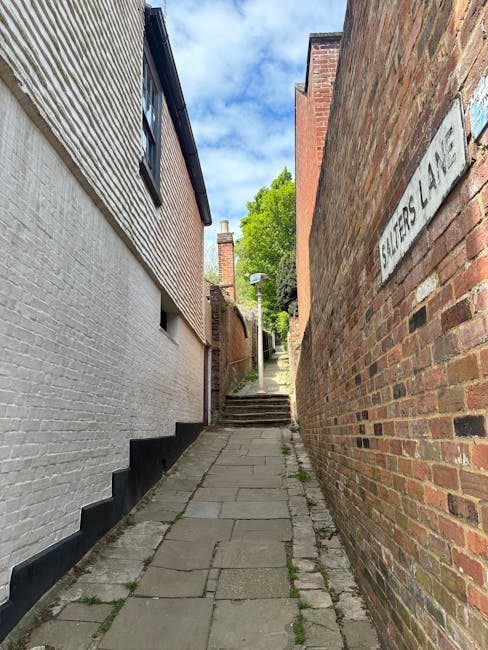
Start with the part people often ignore: the approach from the property to the vehicle. Check whether there are steps, low walls, overgrown hedges, shared driveways, or a gate that opens awkwardly. If the path is uneven or the pavement is narrow, the carry distance becomes more important than the road width itself.
2. Measure the road with moving day in mind
Do not just think in terms of map width. Think about real-world space when a van is parked, when doors need to open, and when pedestrians or neighbours still need to get through. A road may technically allow access but still be a poor fit for a large truck if parking is already tight.
3. Identify the best stopping point
Sometimes the best spot is not directly outside. It may be 20 to 40 metres away where the vehicle can park safely and the crew can carry items without blocking traffic. The goal is to choose a safe, legal, practical stopping point, not the fanciest one.
4. Match the vehicle to the street
A compact van may be easier to place than a larger removal truck. For some moves, the smaller vehicle means fewer problems and a cleaner finish. For others, the road can handle a truck if loading is organised carefully. It depends on the street, not a guess.
5. Pre-pack for quicker carrying
In narrow-access moves, awkwardly packed boxes slow everything down. Use sturdy cartons, avoid overfilling, and keep heavier items at a sensible weight. Make sure anything fragile is labelled clearly. If the crew has to walk further, stable packing becomes more important than ever.
6. Keep a clear loading path
On the day, clear shoes, mats, recycling bins, and random bits from the route. A tiny obstruction can become a real nuisance when people are moving fast with furniture. It sounds obvious. Still catches people out.
7. Build in time for access delays
If the crew has to wait for a parked car to move or for a neighbour to reverse out, the schedule should have breathing room. A rushed narrow-road move gets messy quickly. A calm one usually stays tidy.
8. Stay in contact during arrival
When the van arrives, a quick phone call or doorway signal can make the handover much smoother. One person should direct the load point. Too many voices at the kerbside can confuse even experienced movers. You want clear, short instructions, not a committee meeting in a hi-vis jacket.
Expert Tips for Better Results
Here are the small details that often make the biggest difference in narrow-road removals.
- Use a scout visit if possible. Even a quick look at the street a day or two before the move can reveal parked-car pressure, low trees, or a pinch point you would have missed from memory.
- Think in layers. Vehicle size, parking space, carry distance, and property layout all matter together. Fixing only one of them is rarely enough.
- Protect high-contact areas. Corners, bannisters, door frames, and mirrors are the usual trouble spots.
- Load heavier items first if the route is clear. That can reduce unnecessary shuffling, though the exact order depends on the packing plan.
- Keep a simple item list for quick access. If you need keys, documents, chargers, or kettle supplies first, do not bury them under a mountain of bedding.
One practical bit of advice from moving day reality: do not assume a car owner will appear instantly to move their vehicle. If the road is narrow, a blocked bay can disrupt the whole process. A good mover will have a backup plan, but it helps if you do too.
For office moves or multi-room relocations, it can also help to split the move into phases. Some items can travel in a smaller van, while larger items or bulkier equipment wait for the more open window. That is where a service like moving truck support can be useful, alongside a well-planned workflow.
Common Mistakes to Avoid
A lot of access problems are preventable. Here are the ones that show up again and again.
- Assuming a big vehicle will be fine. Bigger is not always better on a narrow street.
- Not checking parking restrictions. Even if the road looks open, parking may still be awkward or limited.
- Forgetting about neighbours' cars. The street can be perfect at 7 a.m. and packed by lunchtime.
- Leaving boxes too heavy. Long carries and tight turns make overloaded boxes feel heavier than ever.
- Ignoring the walkway. People often focus on the road and forget the front path, gate, or step at the property.
- Not allowing enough time. Narrow access almost always adds a little friction. Sometimes more than a little.
There is also a quieter mistake: trying to "make it work" instead of changing the plan. If the access is not suitable for the first vehicle you thought of, switching to a different method is not a failure. It is good planning. Honest, really.
Tools, Resources and Recommendations
You do not need a truckload of specialist kit to manage a narrow-road move, but the right few tools make a noticeable difference.
| Tool or resource | What it helps with | Why it matters in narrow roads |
|---|---|---|
| Measuring tape | Doorways, paths, furniture dimensions | Prevents surprises when items need to pass tight points |
| Masking tape or labels | Room labelling and priority boxes | Speeds up unloading when parking is far from the door |
| Furniture blankets | Scratch and impact protection | Useful when turning corners or moving through narrow hallways |
| Door protectors | Frames and paintwork | Reduces accidental knocks where space is tight |
| Straps and trolley equipment | Handling and load control | Helps on long carries and uneven surfaces |
| Smaller vehicle option | Manoeuvrability and access | Often the best fit for a narrow residential street |
If you are still deciding what level of support you need, the service pages can help you compare options. Some moves are better handled with a simple man and van setup, while others suit a fuller residential service such as home moves. For larger or more organised relocations, the more structured options often pay off.
Law, Compliance, Standards, or Best Practice
For removals on narrow roads, the key point is to follow normal UK road safety and parking expectations, and to avoid blocking access in a way that creates a hazard or nuisance. The exact practical rules can vary by street and by local conditions, so it is wise to plan conservatively and not rely on guesswork. If there are parking bays, loading restrictions, controlled areas, or special access needs, the safest approach is to check locally and give yourself enough buffer time.
From a best-practice perspective, removals teams should aim to:
- park safely and legally where possible
- keep footpaths and driveways clear whenever practical
- manage lifting in a way that avoids unnecessary risk
- protect property, vehicles, and shared areas from damage
- communicate clearly with the customer and with nearby residents if needed
If you are moving in a residential street, a considerate approach matters. It is not just polite; it usually makes the job faster. Fewer complaints, fewer delays, fewer awkward moments while everyone pretends not to mind. We all know the drill.
Options, Methods, or Comparison Table
Different access situations call for different moving methods. The right choice depends on street width, parking, quantity of items, and how far the carry is from vehicle to property.
| Method | Best for | Strengths | Trade-offs |
|---|---|---|---|
| Man and van | Smaller moves, awkward streets, flexible loading | Easier to park, more agile, often quicker to position | May need multiple runs for larger loads |
| House removalists | Full home moves with more furniture | Better for organised packing, lifting, and coordination | Can require more access planning if the street is tight |
| Removal truck hire | Large volume moves with enough access space | High capacity and efficient for big loads | Less forgiving on narrow roads and restricted parking |
| Furniture pick-up | Single items or a few pieces | Simple, focused, and often less disruptive | Not designed for a full household move |
The best option is the one that fits the street as well as the contents. That sounds obvious, but you would be surprised how often people choose a vehicle by habit rather than access. Narrow-road moves reward realism.
Case Study or Real-World Example
Imagine a family moving out of a Rayners Lane terrace on a weekday morning. The road is wide enough for traffic to pass, but parked cars line both sides and the front door opens onto a small paved path. A full-size truck would have to stop well away from the property, and a few large sofas would mean long carries around bins and cars.
Instead of forcing the largest vehicle into the street, the move is planned around a smaller van and a clearer loading slot. The heavier items are moved first, fragile boxes are labelled, and the walk route is cleared the night before. On the day, the crew parks where it is safe, loads efficiently, and uses blankets to protect the furniture corners. Nothing dramatic. Just calm decisions made early.
That kind of move usually feels smoother for everyone. The family is not panicking about traffic, the crew is not improvising under pressure, and neighbours are less likely to be inconvenienced. Small things, really. But those small things matter.
For a similar move that is short on time but high on awkward access, a focused service like man with van can be a sensible solution, especially if the job is more about careful manoeuvring than raw capacity.
Practical Checklist
Use this before moving day if your Rayners Lane street is narrow or parking is tight.
- Check the width of the road and the likely parking space
- Look for bends, corners, low branches, and awkward turning points
- Confirm the best place for the van to stop safely
- Measure any tight paths, gates, steps, or doorways
- Decide whether a smaller van would be easier than a large truck
- Label priority boxes clearly for quick unloading
- Protect fragile items, corners, and door frames
- Clear bins, bikes, toys, and loose items from the route
- Allow extra time for carry distance and parking delays
- Keep contact details ready so the crew can confirm arrival
Quick takeaway: if the road feels tight when empty, it will feel tighter on moving day. Plan for the real street, not the ideal one.
If you are comparing support options or want to speak to a team about access on a narrow road, you can also find more about the company on about us or get in touch through contact us.
Get a free quote today and see how much you can save.
Conclusion
Moving in Rayners Lane does not need to become a parking puzzle. With the right access plan, narrow roads are manageable, even when the street looks a bit unforgiving at first glance. The main thing is to treat access as part of the move, not an afterthought.
Once you know where the van can stop, how far items will need to be carried, and whether a smaller vehicle suits the job better, the rest tends to fall into place. That does not mean there will be no surprises. There probably will be one or two. But the difference is you will be ready for them.
Keep the plan simple, stay realistic about the road, and choose the moving method that fits the space rather than fighting it. That is usually how a narrow-road move stays calm, efficient, and surprisingly uneventful in the best possible way.
Frequently Asked Questions
How do I know if my Rayners Lane street is too narrow for a removal truck?
If parked cars, bends, or tight corners leave very little room to pass or stop safely, a full removal truck may be difficult. A smaller van is often easier to position on narrow residential roads.
What is the best vehicle for narrow-road removals?
In many cases, a smaller van or flexible man and van setup is the easiest option. It depends on the amount of furniture, the parking space, and how far the load point is from the property.
Should I reserve parking for moving day?
It can help, but the best approach depends on local conditions and what is practical on the day. Even if you cannot reserve space, you should still plan a safe stop point and have a backup option.
How far from the house can the van park?
That depends on the street and the crew's handling plan. A short carry is ideal, but a longer carry can still work if the route is clear and the items are packed sensibly.
Will narrow access make my move more expensive?
It can, because extra carry time and more labour may be needed. But sometimes using a smaller vehicle or a more suitable service keeps the job efficient overall. It is not always more expensive, to be fair.
Do I need packing help if the road is narrow?
Not always, but it can help. Good packing makes items quicker to carry and easier to protect. If the access is tight and the move is busy, packing and unpacking services can save a lot of energy.
What if my furniture is large and the road is small?
That is exactly when access planning matters most. Measure large items early, check turning space, and consider whether dismantling furniture or using a different vehicle would make the move smoother.
Can I still do a full house move on a narrow street?
Yes, often you can. The key is choosing the right approach. Some full moves work best with careful scheduling, a smaller vehicle, or a team experienced in tight access.
How early should I plan access for a narrow-road move?
As early as possible. Even a quick street check a few days before the move can help. If the road is likely to be busy or heavily parked, plan with some extra breathing room.
What should I tell the removals team before moving day?
Tell them about road width, parking pressure, steps, tight paths, turning points, and anything that could slow access. The more accurate the picture, the better they can plan the vehicle and crew.
Is a man with van service suitable for Rayners Lane narrow roads?
Often yes, especially for smaller or medium-sized moves where access is the main challenge. A man with van arrangement can be a practical middle ground when a large truck would be awkward.
What is the single biggest mistake people make with narrow-road removals?
Assuming access will sort itself out on the day. It usually does not. A little planning up front is what keeps the whole move calm, safe, and on schedule.