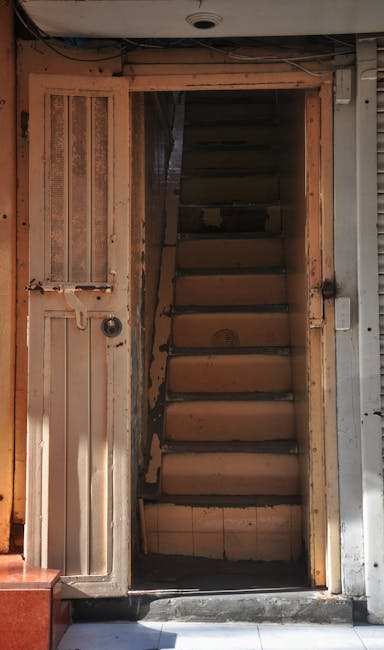
Handling Narrow Staircases in HA1 Flats Without Damage
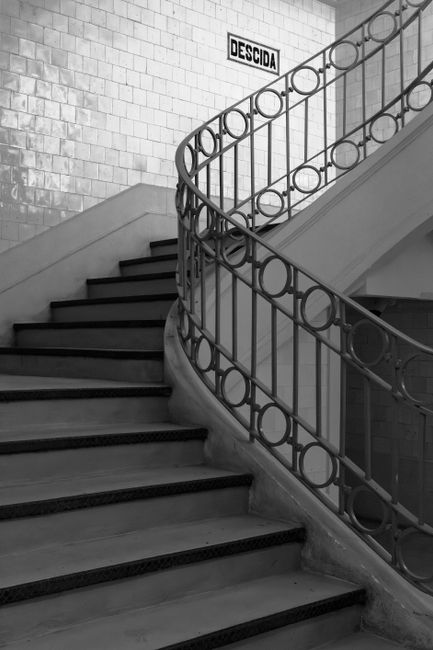
Moving into or out of a flat in HA1 can be straightforward right up until you meet the staircase. Then everything changes. Tight turns, low ceilings, awkward banisters, and walls that seem just a little too close can turn a simple sofa move into a nerve-testing puzzle. Handling narrow staircases in HA1 flats without damage is not just about strength; it is about planning, the right equipment, and a calm, methodical approach.
If you have ever stood at the bottom of a stairwell and thought, how on earth is that wardrobe going up there?, you are not alone. The good news is that most damage in these situations is avoidable. With the right preparation, careful lifting, and a bit of local know-how, you can protect the property, your furniture, and your peace of mind. This guide breaks down what works, what goes wrong, and how to handle the job properly from start to finish.
Whether you are moving a one-bedroom flat, helping a relative, or coordinating a full household move, the aim is the same: get the item upstairs or downstairs without scratched walls, chipped paint, damaged stair rails, or strained backs. Let's get into it.
- Why it matters
- How the process works
- Benefits and practical advantages
- Who needs this approach
- Step-by-step guidance
- Expert tips
- Common mistakes to avoid
- Tools and recommendations
- Law, compliance, and best practice
- Options and comparison
- Real-world example
- Practical checklist
- Conclusion
- Frequently asked questions
Why Handling Narrow Staircases in HA1 Flats Without Damage Matters
Narrow staircases are one of the most common pain points in London flat moves, and HA1 is no exception. Older conversions, compact apartment blocks, split-level layouts, and shared entrances can make even "normal" furniture feel oversized. A bed base may fit on paper, but the real issue is usually the turning space at the landing, the width of the stairwell, or the angle needed to carry it safely.
Damage tends to happen in the same places again and again: corners, skirting boards, stair noses, banisters, and plaster edges around the turn. A tiny misjudgement can leave a visible mark that is frustrating to repair and awkward to explain. Truth be told, the damage is often caused not by one big mistake, but by five small ones: rushing, poor grip, no spotter, bad route planning, and overconfidence. We have all seen that one piece of furniture that "should fit" and then, well... doesn't.
There is also the neighbour factor. In flats, stairwells are shared space. Noise, blocked access, and scuffed communal walls can create avoidable tension. If you are dealing with leasehold property, managing agents, or a building with move rules, a careful approach helps you stay on good terms. That alone is worth a lot.
For a well-planned residential move, services such as home moves support or experienced house removalists can make these tight stair situations much easier to manage. If you only need help shifting a few awkward items, a man and van or man with van setup may be the more practical fit.
How Handling Narrow Staircases in HA1 Flats Without Damage Works
The process is less about brute force and more about geometry, communication, and protection. Before anyone lifts, the team should assess the item, measure the access route, and decide whether the furniture can be moved intact or whether it should be partially dismantled first. That sounds obvious, but in practice it saves a surprising amount of time.
Start with the item itself. Measure height, width, and depth. Then compare those dimensions with the staircase width, landing space, ceiling height, and any pinch points created by railings or radiators. A wardrobe that clears the stair width may still fail at the turn because it needs to be angled, tilted, or lifted over the handrail. The same goes for sofas, mattresses, washing machines, and large desks.
Next comes protection. Good movers will use stair runners, wall covers, removal blankets, tape that will not leave a mess, and sometimes corner guards. The goal is not to wrap the building like a parcel; it is to create a safe buffer between hard surfaces and the moving item. Protective kit matters more in narrow spaces because contact is more likely when the margin for error is tiny.
Then there is lifting technique. Items should be carried with clear communication and controlled movements. One person leads, another stabilises, and both move at a pace that allows for micro-adjustments. On narrow staircases, awkward items are often moved with the item slightly tilted, rotated, or passed in short controlled lifts rather than one continuous climb. That is where experience really shows. A good mover does not just lift; they solve the route in real time.
For larger jobs or commercial premises with restricted stair access, it can be sensible to pair moving support with a suitable moving truck or even use removal truck hire when the load needs a more structured transport plan.
Key Benefits and Practical Advantages
The main benefit is obvious: less damage. But in real life, the advantages go a bit further than that.
- Lower risk of property marks: careful handling reduces scuffs, chips, and dents on stair walls, bannisters, and doorway edges.
- Better protection for furniture: controlled movement helps avoid crushed corners, torn fabric, snapped legs, and scratched finishes.
- Less physical strain: using the right method reduces the chance of back strain, shoulder pulls, and awkward slips.
- Faster problem solving: measuring properly before moving means fewer stalled moments halfway up the stairs.
- Less stress on moving day: once the route is planned, everything feels more manageable. Not easy, necessarily, but manageable.
- Cleaner handover: this matters especially in rented flats, where keeping the staircase and communal areas tidy helps avoid unnecessary disputes.
There is also a subtle time-saving benefit. People often think careful handling slows a move down. Sometimes it does, but not nearly as much as a repair job, a stuck sofa, or a move that has to be abandoned for a rethink. Slow is fast here. A little patience at the start can save a lot of mess later.
When the job involves fitting furniture in and out of a tight home, help from furniture pick-up specialists can be useful, especially if you only need certain items handled with extra care.
Who This Is For and When It Makes Sense
This approach is useful for anyone moving in or out of an HA1 flat with constrained internal access. That includes older terraced conversions, maisonettes with steep staircases, upper-floor flats, and buildings with awkward communal landings. If you have ever looked at a stair bend and mentally measured it against a bed frame, you are the audience. Very much so.
It makes particular sense if you are moving:
- large furniture such as wardrobes, sofas, mattresses, dining tables, or white goods
- fragile or high-value items that should not be scraped or twisted
- multiple items in one trip, where speed can tempt people to cut corners
- items with limited grip points or awkward weight distribution
- home contents from a flat where internal access is tighter than the front entrance
It also makes sense for landlords, letting agents, and tenants who want to keep the property in good condition during move-in or move-out. In a rental setting, a damaged stair wall or banister can lead to a dispute that nobody needs on a Friday afternoon.
For business relocations in compact premises, the same careful approach applies. If the move is happening from a small office or mixed-use building, services like office relocation services or commercial moves support can help keep the operation organised and the staircase intact.
Step-by-Step Guidance
Here is the practical bit. If you want to move through a narrow stairwell without damage, do it in the right order. Skipping steps is usually where things get messy.
1. Measure the item and the route
Measure the furniture first, then the stairwell. Check the width of the stairs, landing depth, ceiling height at the turn, handrail clearance, and any tight spots created by lighting fixtures or door frames. It only takes a few minutes and can save a very long pause later.
2. Decide whether dismantling is needed
Can the item be safely taken apart? Remove legs, shelves, doors, drawers, and other parts where possible. A wardrobe that is 10 cm slimmer after dismantling may suddenly become manageable. Do not force this. If the item is weak or delicate, over-disassembly can create its own problems.
3. Clear the path
Move shoes, rugs, bins, plants, and loose items out of the way. Open doors fully if they are part of the route. Check the stairwell at both ends. You want a clean line, not a little obstacle course.
4. Protect surfaces before lifting
Cover corners, stair edges, and likely contact points. In a flat, the narrowest part of the staircase is often where the item brushes the wall, so protect that area first. If you are using blankets or pads, secure them properly so they do not slip mid-move.
5. Assign roles
One person should lead the move and call the pace. Another should support the rear or the lower end of the item. If there is a third person, they can watch for wall contact, open doors, or warn about the landing. Clear words matter. Short words are best: "stop," "lift," "tilt," "pause."
6. Lift in controlled stages
Do not try to charge the stairs in one go. Use small, steady lifts and adjust the angle as needed. If the item catches, stop immediately. Reassess. A tiny shift may solve the issue, whereas a forced push can damage both the wall and the furniture.
7. Recheck at the turn
The turn is usually the hardest point. This is where the item may need to be tipped slightly, brought upright, or rotated in a tighter arc. At this stage, slow is not a weakness. It is the job.
8. Finish with a careful landing
Once the item clears the stairwell, lower it gently. Check the walls and corners again. If anything has shifted, fix it before moving the next item. Small corrections now prevent a little pile-up of damage and fatigue.
If you want hands-on help with packing before the move, packing and unpacking services can reduce the chance of loose parts, badly wrapped surfaces, or awkward boxes making the staircase problem worse.
Expert Tips for Better Results
These are the kinds of details that make a move feel smooth instead of scrappy.
- Measure twice, move once. It sounds basic, but it is the most useful habit in the whole process.
- Use the right number of people. Too few, and the move becomes unsafe. Too many, and the stairwell gets crowded, which is also unsafe. Balance matters.
- Protect the stair edges, not just the wall. The edge of each step often gets chipped before the wall does.
- Keep one person free to spot. A watcher can spot contact before it happens. That is often the difference between a clean pass and a little repair job.
- Disassemble where the structure allows it. Flat-pack furniture, bed frames, and some cabinets can be much easier once reduced to smaller parts.
- Use grip-friendly gloves. They can improve control, especially on varnished or fabric surfaces.
- Take breaks between bulky items. Fatigue is where clumsy moves start. You will notice the difference after the third or fourth trip.
A small but important tip: if the stairwell is narrow and the item is heavy, think about where the weight sits in relation to the stairs. Sometimes rotating the item by just a few degrees changes everything. A sofa that seemed impossible can suddenly make the corner. Strange, but true.
And if you are moving in winter, damp shoes and cold hands can make things slippier than people expect. A soggy stairwell at 8:00 in the morning is not the place for guesswork, let's put it that way.
Common Mistakes to Avoid
Most damage in narrow staircases comes from predictable mistakes. Knowing them is half the battle.
- Not measuring properly: people often measure the furniture but not the turn, landing, or ceiling height at the awkward point.
- Forcing the item through: if it does not fit, forcing it usually creates scraping or twisting damage.
- Ignoring the stair rail: banisters are often the first thing to get knocked.
- Moving without a plan: a vague "we'll see when we get there" approach is a bad idea on tight stairs.
- Using poor lifting technique: bending, twisting, and holding awkward weight for too long can lead to injury.
- Skipping protection: no blankets, no covers, no corner guards. That is how small marks become permanent ones.
- Rushing the turn: the landing is not the place to speed up.
- Not checking communal access: in flats, shared areas sometimes need to stay clear for other residents. Blocking them can cause hassle.
There is a quieter mistake too: assuming that if the item got up the stairs once, it will be easy to move again. Not necessarily. Different grip, different angle, a slightly different wall, and suddenly it behaves differently. Furniture can be oddly temperamental. A bit like a shopping trolley with a grudge.
Tools, Resources and Recommendations
You do not need a truck full of fancy gear, but the right basics make a meaningful difference.
| Tool or resource | What it helps with | When to use it |
|---|---|---|
| Removal blankets | Protects furniture edges and painted surfaces | On nearly every stair move |
| Stair and wall protectors | Reduces scuffs, chips, and accidental impact | On tight bends and narrow landings |
| Furniture sliders | Helps shift items briefly without lifting fully | On flat sections before the staircase |
| Straps and lifting aids | Improves control of weight distribution | For heavy or bulky items |
| Basic tool kit | Lets you remove doors, legs, or fittings | Before the item reaches the stairs |
| Labels and zip bags | Keeps screws, hinges, and small parts together | During dismantling |
It is also worth keeping towels, tape that will not leave residue, and a torch handy if the stairwell is dim. Many older flats have less-than-ideal lighting, and the shadow at the turn can hide a wall edge or step lip. Little things, but they matter.
If you are organising a move with mixed loads, a man and van arrangement is often useful for smaller flat moves, while a larger load may suit removal truck hire or a more complete home moves service.
Law, Compliance, Standards, or Best Practice
For a typical flat move, there is usually no special "staircase handling law" in the background, but there are still important duties and standards of care. You should avoid causing damage to common parts, respect building access rules, and follow sensible manual handling practice. In the UK, that means planning the lift properly, not overloading people, and using equipment where it reduces risk.
Landlords, managing agents, and leaseholders may have their own building rules about move times, lift protection, loading bays, or protecting shared hallways. Those rules vary, so it is always wise to check in advance rather than assume the building will be relaxed about it. Some places are fine; some are less forgiving. That is just flats for you.
From a practical standpoint, the safest approach is usually the one that reduces both property risk and personal injury risk. If an item looks too heavy, too tall, or too awkward for the stairwell, do not "wing it." Bring more help, use proper lifting techniques, or break the move into smaller parts.
For your own peace of mind, it also helps to understand the terms and conditions of any removal or transport service you use. If you want to review the basics before booking, you can look at the company's terms and conditions and privacy policy as part of your normal checks.
Options, Methods, or Comparison Table
Different staircases call for different approaches. Here is a simple way to compare the main options.
| Method | Best for | Pros | Limitations |
|---|---|---|---|
| Carry item intact | Softer, smaller, or well-proportioned items | Fast, simple, fewer loose parts | Can fail on turns or low ceilings |
| Dismantle before moving | Wardrobes, beds, desks, modular furniture | Usually easier through tight access | Takes time and careful reassembly |
| Use protective coverings and spotters | Most flat moves | Reduces damage risk significantly | Needs coordination and attention |
| Use specialist moving support | Bulky, valuable, or awkward items | Safer, more controlled, less stress | May cost more than doing it yourself |
In many HA1 flats, the best result is a blend of methods: measure first, dismantle where sensible, protect the route, and use careful lifting. Not glamorous, no. Effective, yes.
Case Study or Real-World Example
Picture a typical second-floor flat in HA1: a narrow stairwell, one sharp turn, and a landing that barely gives you space to breathe, let alone manoeuvre a double wardrobe. The movers first measured the wardrobe and realised the item would not pass cleanly if carried upright. Instead of trying to force it, they removed the doors, shelves, and base fittings, then wrapped the panels separately.
Before the lift, they protected the wall corner at the turn and checked that the route was clear from the front door to the landing. One person led from the top, one guided from below, and a third watched the wall edge. The wardrobe was tilted, paused, then rotated gently through the turn. No scraping. No drama. Just a bit of concentration and some very ordinary, very good preparation.
The useful part of this example is not that it was clever. It is that it was boring in the best possible way. The move worked because nobody tried to be heroic.
That is the real lesson with narrow staircases: success usually looks uneventful. You notice the quiet, not the chaos.
Practical Checklist
Use this quick checklist before you start.
- Measure the furniture carefully.
- Measure the staircase, landing, and turning points.
- Check for low ceilings, radiators, lights, and handrails.
- Decide whether any item should be dismantled.
- Protect the stairs, corners, and walls.
- Clear the route completely.
- Assign one person to lead and one to spot.
- Use gloves, straps, blankets, and other aids where needed.
- Plan the turn before you reach it.
- Move slowly and stop if the item catches.
- Check the stairwell for marks after each major item.
- Keep screws, fittings, and parts bagged and labelled.
If you are juggling a full flat move and do not want to spend the whole day managing awkward pieces, it may be worth getting help from a service that understands tight access. The right support can make a cramped staircase feel a lot less intimidating.
Conclusion
Handling narrow staircases in HA1 flats without damage comes down to calm planning, sensible protection, and a willingness to slow the job down when the space gets tight. The staircase is not the enemy. Rushing is. A narrow stairwell can absolutely be managed safely, but only when the route is measured, the item is prepared properly, and the people doing the lifting communicate clearly.
For most flats, the best outcome is not about having the strongest team or the most expensive kit. It is about making smart decisions before the first lift. That small pause to check the measurements, wrap the corners, or dismantle a bulky item can save a lot of hassle later. And honestly, that is usually the difference between a stressful move and a decent one.
Get a free quote today and see how much you can save.
When the last box is through and the stairwell is still clean, you feel it straight away. Relief, mostly. A proper breath out. That is the aim.
Frequently Asked Questions
How do you move furniture up a narrow staircase without damaging the walls?
Measure the item and the staircase first, protect the corners and stair edges, then move slowly with one person leading and one spotting. If the item is too wide, dismantle it before trying again.
What is the best way to handle a sofa on a tight stairwell?
For many sofas, the safest approach is to remove feet or detachable arms if possible, wrap the frame, and tilt the sofa through the stairwell in controlled stages. If it catches on the turn, stop and reassess instead of forcing it.
Should I dismantle furniture before taking it up the stairs?
Usually, yes, if the item is modular or designed to come apart. Dismantling can make narrow turns much easier. Just keep all fittings labelled so reassembly does not become its own little mystery.
How many people do I need for a staircase move?
It depends on the item, but two people is often the minimum for awkward furniture, and a third person can help with spotting and protecting the route. Too many people can crowd the stairwell, so balance matters.
What should I protect first in a flat stairwell?
Start with the most likely contact points: corners, bannisters, wall edges, stair noses, and the tight turn on the landing. Those are the areas most likely to pick up scuffs or chips.
Is it worth hiring movers for a small flat with narrow stairs?
Often, yes, if you have bulky, valuable, or fragile items. A small flat can still have a very tricky staircase, and a professional approach can prevent damage and reduce stress on the day.
What if the wardrobe or bed frame does not fit around the corner?
Pause and measure the route again. Try a different angle, remove parts if possible, or move the item in smaller sections. Forcing it around the corner usually makes the problem worse.
Can I use blankets and tape to protect the walls?
Yes, as long as the materials are secure and you use tape that will not leave a mess or damage paint. The goal is temporary protection, not extra cleaning afterwards.
How do I reduce the risk of injury when lifting on stairs?
Keep the load close to the body, avoid twisting, use steady foot placement, and stop if the item feels unstable. If the item is too heavy or awkward, bring in more help or use lifting aids.
Are there rules for moving in and out of flats in HA1?
There may be building-specific rules from landlords or managing agents about access times, communal areas, or protecting shared spaces. It is sensible to check in advance so you are not caught off guard on moving day.
What equipment helps most with narrow staircase moves?
Removal blankets, wall and stair protectors, straps, gloves, and a basic tool kit are the most useful basics. They do not make the staircase bigger, but they do make the move safer and cleaner.
When should I call in professional help instead of doing it myself?
If the item is heavy, expensive, awkwardly shaped, or the staircase is extremely tight, professional help is usually the smarter choice. It is not about being unable to do it; it is about avoiding damage and unnecessary strain.