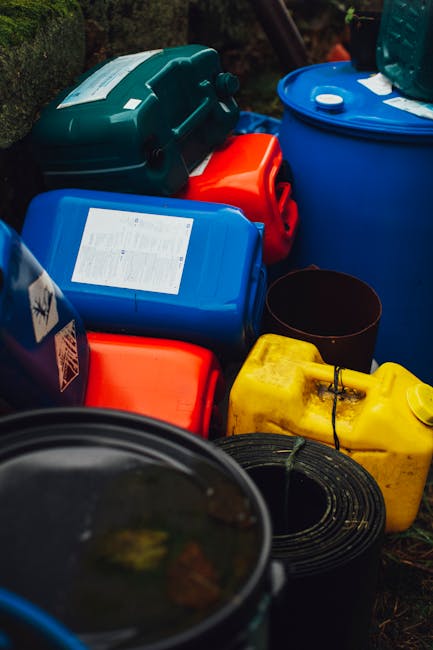
Disposing Hazardous Items in Harrow: Legal Steps

If you are sorting out old paint tins, leaking batteries, half-used chemicals, broken fluorescent tubes, or a dusty canister tucked at the back of the garage, you are not alone. Disposing hazardous items in Harrow is one of those jobs that seems simple until you realise the rules are stricter than everyday waste collection. The good news? Once you understand the legal steps, it becomes far more manageable, and a lot less stressful.
This guide explains what counts as hazardous waste, why the legal process matters, how to prepare items safely, and what sensible next steps look like in a real Harrow household or business. It also covers common mistakes, practical checks, and a few decision points that save time, money, and hassle. Let's face it, nobody wants a bag of "mystery chemicals" sitting in the hallway for another week.
- Why the legal steps matter
- How hazardous disposal works
- Benefits and practical advantages
- Who needs this and when
- Step-by-step guidance
- Expert tips for better results
- Common mistakes to avoid
- Tools, resources and recommendations
- Law, compliance and best practice
- Options and comparison
- Real-world example
- Practical checklist
- Conclusion
- Frequently asked questions
Why Disposing Hazardous Items in Harrow: Legal Steps Matters
Hazardous items are not just "things you should probably be careful with". They can injure people, contaminate other waste, damage vehicles, and create legal problems if they are handed over to the wrong collection route. In a borough like Harrow, where homes, flats, shops, and offices often share tight access and common storage areas, one wrongly disposed item can become a bigger issue very quickly.
The legal side matters because hazardous waste is treated differently from ordinary rubbish. That usually means you need to identify it correctly, keep it separated, and pass it to a suitable collection or disposal route. If you mix it in with general waste, you may be putting waste handlers at risk and making the disposal process more expensive or difficult later. A little extra care at the start saves a lot of mess at the end.
There is also a practical trust issue. If you are a landlord, facilities manager, tenant, householder, or small business owner, people expect you to deal with hazardous items responsibly. A cracked bottle of solvent or a bag of old aerosols left in a communal bin store is the sort of thing that causes complaints, and fairly so.
Key point: the safest and cleanest approach is to identify hazardous items early, keep them separate, and use a disposal method that matches the item type and local rules.
How Disposing Hazardous Items in Harrow: Legal Steps Works
The process is more straightforward than most people expect, though it does require a bit of care. In plain English, the usual legal steps are: identify the item, check whether it is hazardous or potentially hazardous, store it safely, and use an approved disposal route rather than normal household bins.
For domestic situations, that may mean separating batteries, paints, solvents, cleaning chemicals, sharps, fluorescent lamps, gas cylinders, and e-waste that contains hazardous components. For businesses, the process can include a more formal duty of care, because hazardous waste often needs documentation, proper segregation, and controlled transfer to an authorised carrier or facility.
One thing people often miss: not every "old or dirty" item is hazardous, and not every hazardous item is obvious. A nearly empty aerosol, a leaking battery, or a damaged screen with internal components can still need special handling. So the first legal step is not disposal at all - it is correct identification. Bit dull, yes. Essential, also yes.
If you are clearing a property alongside a move, refurbishment, or office relocation, it can help to separate these items before everything else gets packed. That is especially useful if you are already organising a wider removal through services such as home moves support, commercial moves, or office relocation services, because hazardous items should not be left mixed with ordinary furniture or boxed contents.
Key Benefits and Practical Advantages
Doing this properly is not just about avoiding trouble. It genuinely makes the whole clearance process smoother.
- Safer handling: You reduce the risk of leaks, fumes, cuts, burns, or accidental reactions.
- Fewer disposal delays: Sorted hazardous items are easier to manage than mixed bags of unknown waste.
- Lower chance of fines or complaints: Incorrect disposal can lead to enforcement action or landlord issues.
- Better protection during moves: Hazardous contents are less likely to be crushed or tipped over in transport.
- Cleaner handover at the end of a tenancy or sale: The property is easier to present in a decent state.
- More confidence for staff and family: Everyone knows what has been separated and where it is going.
There is also a quieter benefit that people underestimate: peace of mind. Once the hazardous items are out of the way, the rest of the job feels lighter. You notice it immediately. The room stops feeling like a risk zone and starts feeling like a room again.
Who This Is For and When It Makes Sense
This guide is relevant to a lot of different situations. In Harrow, hazardous disposal often comes up during home clearances, rental check-outs, garage clean-outs, small shop refurbishments, and office moves. It also crops up when somebody inherits a property and finds a collection of old household chemicals they would rather not inspect too closely. Truth be told, those cupboard discoveries are rarely glamorous.
It makes sense for:
- homeowners clearing sheds, lofts, garages, or kitchens
- tenants preparing to move out and wanting a clean, safe handover
- landlords or agents dealing with left-behind items
- small businesses disposing of office batteries, printers, inks, or cleaning products
- shops, salons, workshops, and light industrial premises with waste that cannot go in general bins
- families helping older relatives downsize, where unknown products may have built up over years
If the hazardous items are part of a bigger clear-out, a practical removal plan helps. For example, furniture, boxed household goods, or heavy appliances may need a separate route via furniture pick-up, man and van support, or removal truck hire, while the hazardous items are handled apart. Keeping those streams separate is simply cleaner and safer.
Step-by-Step Guidance
Here is a sensible, lawful way to handle the process without overcomplicating it.
- Identify the item. Check labels, packaging, hazard symbols, and any remaining contents. If you cannot identify it, treat it cautiously.
- Separate it from ordinary waste. Do not put it in mixed rubbish sacks or general recycling.
- Keep it stable and contained. Use a secure container, upright storage, and a dry place away from heat or children.
- Avoid decanting unless it is clearly safe. Moving chemicals into unlabelled bottles is a recipe for confusion later. Not a good idea.
- Check whether it is household or commercial waste. That distinction matters for the disposal route and paperwork.
- Choose the correct collection or drop-off route. Some items need specialist handling rather than standard removal.
- Confirm any handover requirements. For business waste, you may need records showing where the waste went and who collected it.
- Transport carefully if you are moving it yourself. Keep items upright, secure, and away from food, tools, or soft furnishings.
- Clean the storage area afterwards. If there has been leakage, isolate the contaminated materials and avoid sweeping them straight into general waste.
A realistic example: a family clearing out a shed may find paint, weed killer, a battery charger, and a box of old light tubes. A better approach is to sort the tubes separately, keep the chemicals sealed, and move everything hazardous together only if the transfer method allows it. A van full of unlabelled liquids and crushed lamps is the sort of thing nobody wants to deal with on a wet Tuesday afternoon.
If you are arranging a wider move, teams offering man with van services or moving truck support can help shift non-hazardous items while you keep the dangerous materials out of the load. That separation matters more than people think.
Expert Tips for Better Results
These are the small things that tend to make a big difference.
- Do a quick sweep before packing anything. Hazardous items hide in drawers, under sinks, and in garden cupboards.
- Use original containers whenever possible. The label tells people what they are dealing with. That is worth preserving.
- Keep incompatible items apart. Bleach, acids, fuels, and solvents should never be treated as one category.
- Photograph unclear items. A quick picture can help you remember what was found and how it was stored.
- Move slowly with anything that smells strong, hisses, leaks, or looks swollen. Those are warning signs, not decoration.
- Plan disposal before moving day. Hazardous waste found at the last minute is where mistakes start.
One small tip from real-world clearances: keep a "do not pack" corner. It sounds obvious, but in busy homes or offices, people will absent-mindedly toss odd items into the nearest box. Having one clear area for hazardous items stops accidental mixing. It's a simple habit, but a very good one.
And yes, it saves that awkward moment where somebody asks, "What's in this bottle?" and nobody wants to answer.
Common Mistakes to Avoid
Most issues with hazardous disposal come from a handful of preventable mistakes.
- Putting hazardous items in general waste. This is the big one. It can be unsafe and non-compliant.
- Mixing unknown chemicals together. Even small amounts can react badly.
- Leaving items loose in a vehicle. Bottles, lamps, and batteries can shift during braking.
- Removing labels unnecessarily. If the label is intact, keep it that way.
- Ignoring signs of leakage or corrosion. A slightly damaged battery or tin can become a bigger problem if handled roughly.
- Assuming all disposal services accept everything. They do not, and that is normal.
- Waiting until the last minute. Rush jobs create clutter, and clutter leads to mistakes. That pattern is painfully familiar.
Another common slip is focusing only on the obvious items and forgetting the smaller ones: batteries in remotes, old toner cartridges, nail varnish remover, aerosols in bathroom cabinets, or half-used garden chemicals. Those little bits add up. They really do.
Tools, Resources and Recommendations
You do not need fancy equipment, but a few practical items help enormously.
- Labels or marker pens: Useful for marking what an item is and whether it is sealed.
- Sturdy containers: Keep containers upright and avoid flimsy bags for liquids or sharp objects.
- Protective gloves: A sensible precaution when handling dusty, leaking, or sharp items.
- Plastic sheeting or absorbent material: Helpful if you are moving items that may leak.
- Clipboard or simple inventory list: Especially useful for business waste or larger clearances.
- Access to a suitable vehicle: Only if you are transporting items yourself and the route allows it.
For larger moves or property clearances, planning around transport matters. Services such as packing and unpacking services can help you keep ordinary possessions organised while hazardous items are pulled out early and dealt with separately. That separation is a practical win, not just a neat one.
If you need more background on the company's approach to service, you can also review the about us page, and if you are ready to discuss a move or clearance, the contact page is the most direct next step.
Law, Compliance, Standards, or Best Practice
For UK readers, hazardous waste handling is governed by duties that are generally about safe storage, correct classification, lawful transfer, and responsible disposal. Exact obligations can differ depending on whether the waste is domestic or commercial, the type of material, and who is handling it. So the safest advice is cautious advice: do not assume a household bin, normal recycling sack, or random collection point is acceptable.
In practice, good compliance usually means:
- keeping hazardous waste separate from non-hazardous waste
- preserving labels and identifying contents where possible
- using appropriate containers
- avoiding storage that could cause leaks, fires, or contamination
- using a lawful collection or disposal route
- keeping records where business or commercial waste rules require them
For businesses, duty of care is the phrase people often hear. In simple terms, it means you should know what you are handing over, who is taking it, and that the waste is being managed appropriately. That may sound formal, but it is really just the legal version of common sense. You would not hand a stranger a box of unknown liquids and hope for the best. Well, you would not if you were thinking straight.
Best practice also includes staff awareness. In an office, for example, batteries, toner cartridges, broken monitors, and cleaning products should have a clear place from day one. In a workshop or retail setting, the need is even stronger because the materials are usually more varied.
Options, Methods, or Comparison Table
Choosing the right disposal route depends on the item, the quantity, and whether it is domestic or commercial. Here is a simple comparison to help you weigh the options.
| Option | Best for | Pros | Watch-outs |
|---|---|---|---|
| Separate household sorting | Small domestic amounts | Simple, cheap, easy to organise | Needs careful identification and storage |
| Specialist collection | Mixed or awkward hazardous items | Safer handling, less effort for you | May require booking and preparation |
| Move-and-clear with non-hazardous items separated | Home moves and office clearances | Efficient for larger jobs, keeps the process tidy | Hazardous items still need a separate legal route |
| Business waste management route | Commercial premises | Better compliance and traceability | More process, more documentation |
In a real Harrow property clearance, the best choice is often a mix. For instance, furniture and boxes go one way, while batteries and chemicals go another. The trick is not to force everything into one system just because it would be easier on the day.
Case Study or Real-World Example
Here is a realistic example based on the kind of clearances people face all the time.
A small family in Harrow was preparing to clear a semi-detached house after a long tenancy. In the kitchen, they found cleaning sprays, old drain fluid, and several half-used paint tins. In the shed there were garden chemicals, two swollen batteries, and a broken fluorescent tube. Nothing dramatic, but enough to make everyone uncertain.
Instead of bagging everything together, they separated the items by type, kept liquids upright, and moved the tube and batteries into rigid containers. Ordinary items were packed separately through a removal plan that focused on non-hazardous contents, while the hazardous materials were treated as a separate disposal task. The result was boring in the best possible way: no leaks, no confusion, no frantic re-sorting on the driveway.
The house was handed over cleaner, and the family avoided that horrible feeling of discovering a split bottle in the boot after a long drive. Small win, but a meaningful one.
Practical Checklist
Use this checklist before you move, store, or hand over hazardous items.
- Have I identified each item as clearly as possible?
- Are hazardous items separated from general rubbish and recycling?
- Are liquids sealed and kept upright?
- Are batteries, lamps, aerosols, and chemicals sorted apart where needed?
- Have I avoided mixing unknown substances together?
- Do I know whether the waste is domestic or commercial?
- Have I checked the correct disposal route before transport?
- Do I need documentation or records for business waste?
- Is the storage area dry, stable, and away from heat sources?
- Have I kept protective gear or cleaning materials ready in case of a spill?
If you can tick most of those boxes, you are already in a much better place than the average rushed clear-out. Honestly, that's half the battle.
Get a free quote today and see how much you can save.
Conclusion
Disposing hazardous items in Harrow is not complicated once you break it into legal, safe, and practical steps. Identify the item properly, keep it separate, choose the correct route, and avoid the common temptation to deal with everything as one big rubbish pile. That is where trouble starts.
Whether you are clearing a house, moving an office, or tidying a storage space, the safest approach is to treat hazardous items as their own small project. Do that, and the rest of the job tends to fall into place more easily. One less worry. One cleaner handover. A better outcome all round.
And if this has been hanging over you for a while, take it one box at a time. That usually works better than trying to conquer the whole garage in one heroic afternoon.
Frequently Asked Questions
What counts as a hazardous item in a home or office?
Common examples include batteries, paints, solvents, cleaning chemicals, aerosols, fluorescent tubes, certain electrical items, and anything leaking, corrosive, flammable, or unknown. If you are unsure, treat it cautiously and keep it separate until identified.
Can I put hazardous waste in my normal bin in Harrow?
No, that is usually the wrong route. Hazardous items should not go into ordinary household waste or mixed recycling because they can create safety risks and disposal problems.
Do I need special paperwork for household hazardous items?
Usually not for small domestic amounts, but you still need to store and separate items properly. If the waste comes from a business or commercial setting, record-keeping and transfer documentation may be needed.
What should I do if a chemical container is leaking?
Keep clear of the spill, avoid mixing it with other products, and place the container in a safe, stable outer container if that can be done safely. Do not shake it, tip it, or pour it into another bottle unless you are certain that is appropriate.
Are old batteries hazardous?
Yes, many batteries require special handling because they can leak, overheat, or contain materials that should not go into general waste. Keep them separated and store them in a dry place.
Can I transport hazardous items myself?
For small domestic items, people sometimes do transport them themselves, but only if the items are stable, sealed, and suitable to be moved that way. Never put loose chemicals beside food, soft furnishings, or unpacked belongings.
What if I find several different unknown bottles during a clearance?
Do not mix them. Keep them apart, note where they were found, and leave labels intact if possible. A simple inventory helps a lot later if you need advice on the correct route.
Is hazardous disposal different during a house move?
Yes, because moving day adds time pressure and physical handling. Hazardous items should be removed from the moving load and dealt with separately so they do not contaminate furniture, boxes, or vehicles.
How do I handle hazardous items from a business premises?
Businesses should treat hazardous waste more formally, with separation, safe storage, and proper transfer to a lawful disposal route. The exact process depends on the type of waste and how much there is.
What is the biggest mistake people make?
The most common mistake is mixing hazardous items with general waste because it seems quicker. It almost always creates more work later, and sometimes creates a genuine safety problem too.
Can removal services help with the non-hazardous part of a clearance?
Yes, that is often the sensible way to work. Furniture, boxes, and ordinary household contents can be handled separately, while hazardous materials stay out of the moving load. That keeps the job organised and safer overall.
What should I do before booking a clearance or move?
Walk through the property and identify anything that smells strong, leaks, has a warning symbol, or looks like chemicals, batteries, or lamps. Separate those items first, then plan the rest of the move around them.
If you are clearing a property or planning a move and want the process kept simple, tidy, and well organised, a careful split between hazardous and non-hazardous items is the smartest first move. It's the boring bit, yes - but it's the bit that keeps everything else safe.